


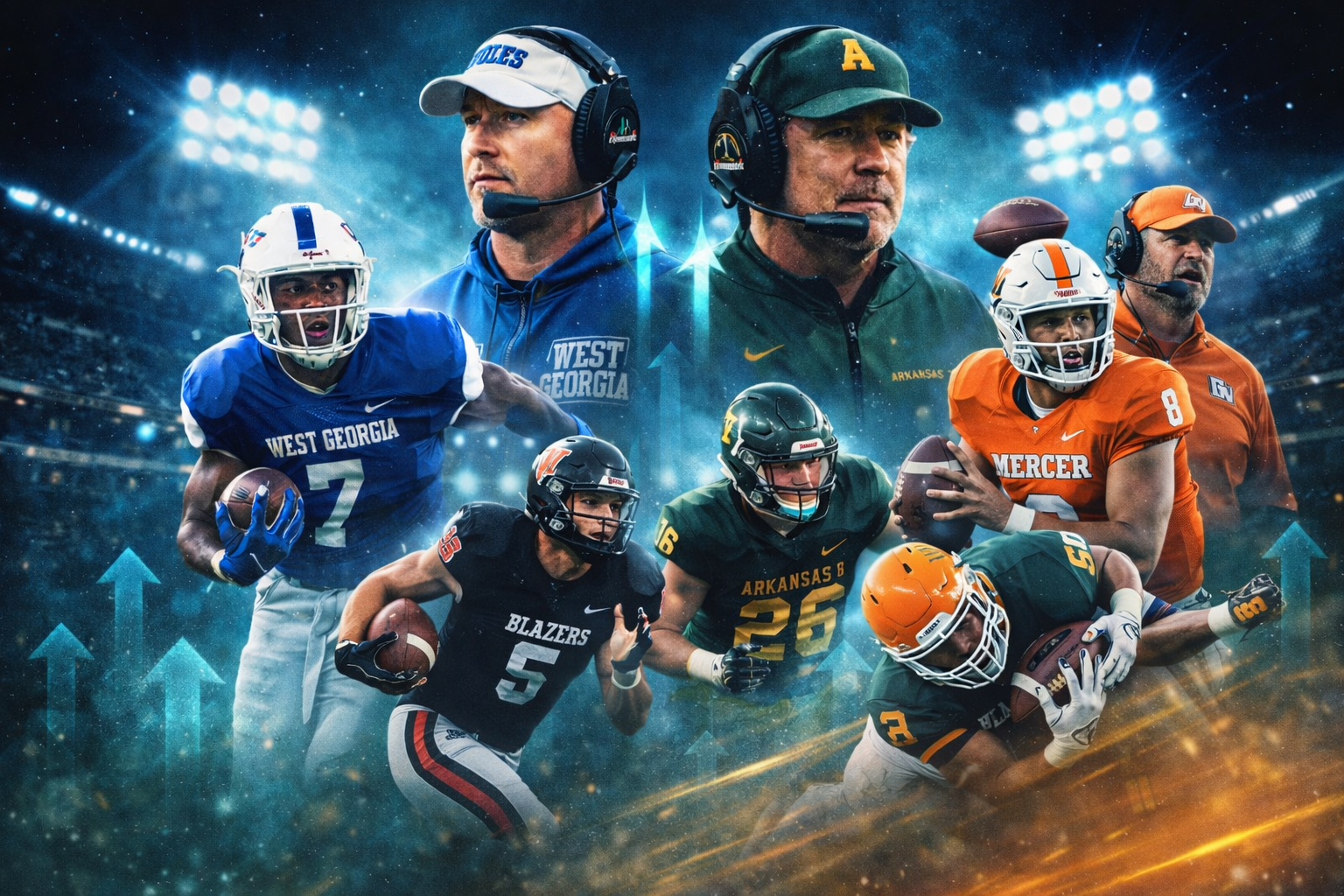
How the transfer portal, NIL pressure, and delayed decisions are pushing Power-level talent to smaller schools first
The sport still calls Feb. 4 a signing day, but what unfolded looked more like a rerouting than a wrap-up. This wasn’t about who missed in December. It was about where real talent landed once the system applied pressure and how the path to the top now often starts somewhere else.
Power programs didn’t suddenly stop valuing high school players. They just stopped waiting. With roster limits tightening and NIL dollars concentrated among a smaller group of proven contributors, late signees became expendable. Not because they weren’t good enough but because timing matters more than potential in today’s market.
The transfer portal changed the leverage. Schools with larger pockets filled needs fast, often pushing back on December or February high school signees who, a few years ago, would’ve been comfortable takes. That talent didn’t disappear. It redirected.
This is where the real shift happened.

Division II, Division III, and NAIA programs are now landing athletes who historically would have gone FCS, HBCU, or even Power 4. These aren’t developmental long shots. These are players with size, speed, academic profiles, and real football backgrounds, kids who were simply caught in the numbers game.
The difference now is intention. Smaller schools aren’t just taking these players; they’re developing them quickly. And the athletes know exactly what they’re doing. They’re choosing immediate snaps, real coaching, and film over waiting in a portal line. One or two years later, many are moving up again, this time with proof instead of projection. That movement is no longer the exception. It’s becoming the plan.
The Feb. 4 class quietly reflected that reality. Programs at every level sign players who understand the ladder: dominate where you are, then climb. Coaches leaned into versatility, football IQ, and system fit. Athletes leaned into patience and development. It’s a smarter exchange on both sides.
Public rankings still lag because they were built for a different era, one where stars dictated destination, and the path was linear. Recruiting doesn’t work that way anymore. The most trusted evaluations now come from people who see the kid daily, not just once in a camp setting. That’s why coach-driven insight is carrying more weight than ever, even if it doesn’t show up immediately on ESPN graphics or The Athletic trend charts.
Feb. 4 wasn’t about leftovers. It was about leverage shifting downstream.
Smaller schools are no longer the end of the road for many athletes; they’re the proving ground. And as more players move from D2, D3, and NAIA to FCS, FBS, HBCU, and Power 4 programs within a year or two, the perception will catch up to the reality.
The game didn’t change overnight. The routes did.
And if you’re paying attention now, you can see exactly where college football recruiting is headed next.