A Development-First Model That Separates AAE from the Rest
In a camp landscape often defined by immediate competition and highlight-driven performances, Coach Lo and the AAE Camp Series are taking a different approach, one rooted in structure, preparation, and long-term athlete development.
At the center of that philosophy is a simple but powerful concept: train first, compete second.
“What we’re doing at AAE is different than any other camp in the country,” Coach Lo explained. “Most kids show up to camps without real training. About 70% of athletes haven’t gone through structured drills outside of basic position work. So we flipped the model.”
Rather than throwing athletes straight into competition, AAE camps begin with a comprehensive training phase designed to expose weaknesses, reinforce fundamentals, and prepare athletes for the demands of elite performance.
Building the Foundation Before the Spotlight
From the moment athletes step onto the field, the focus is clear: development comes first.
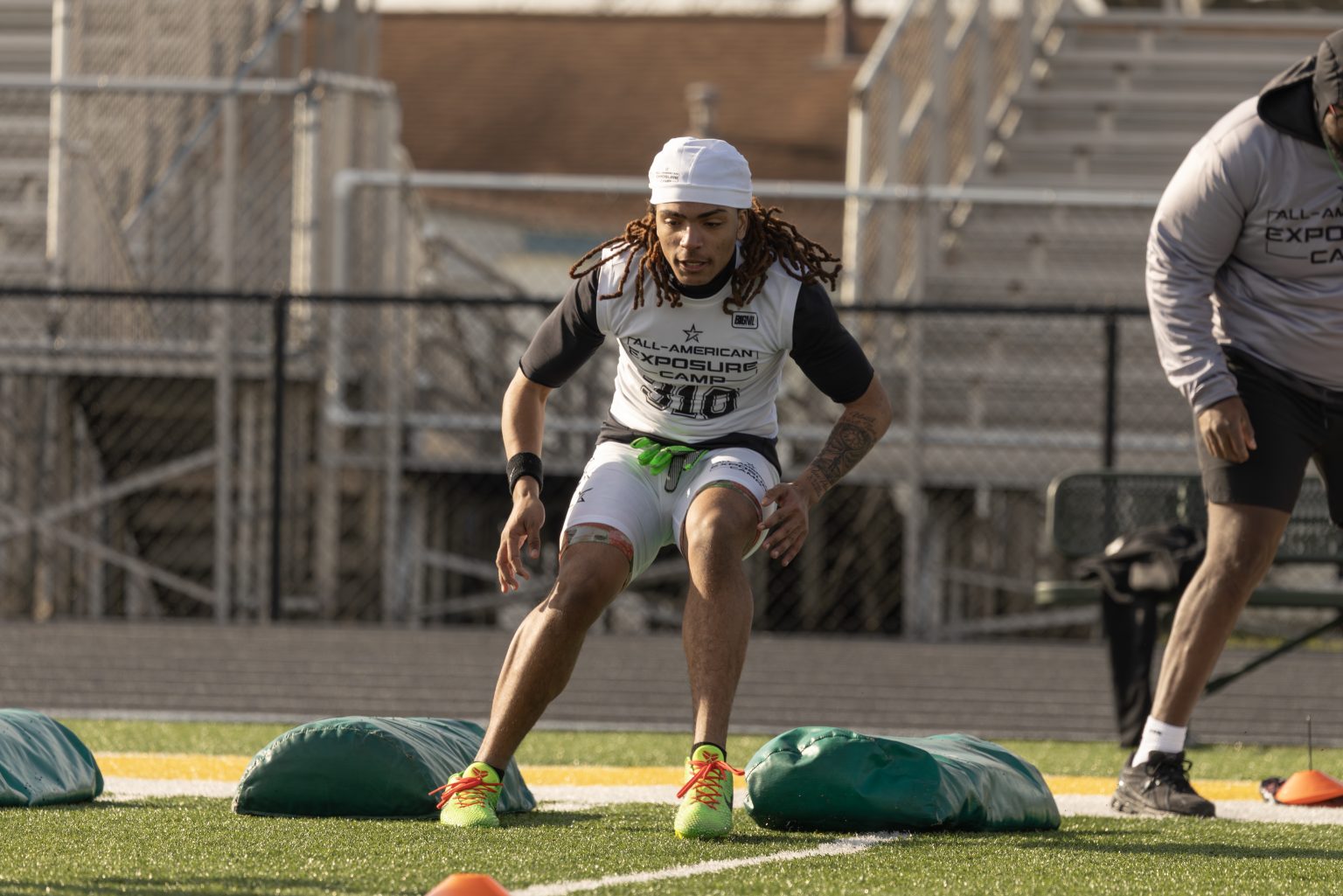
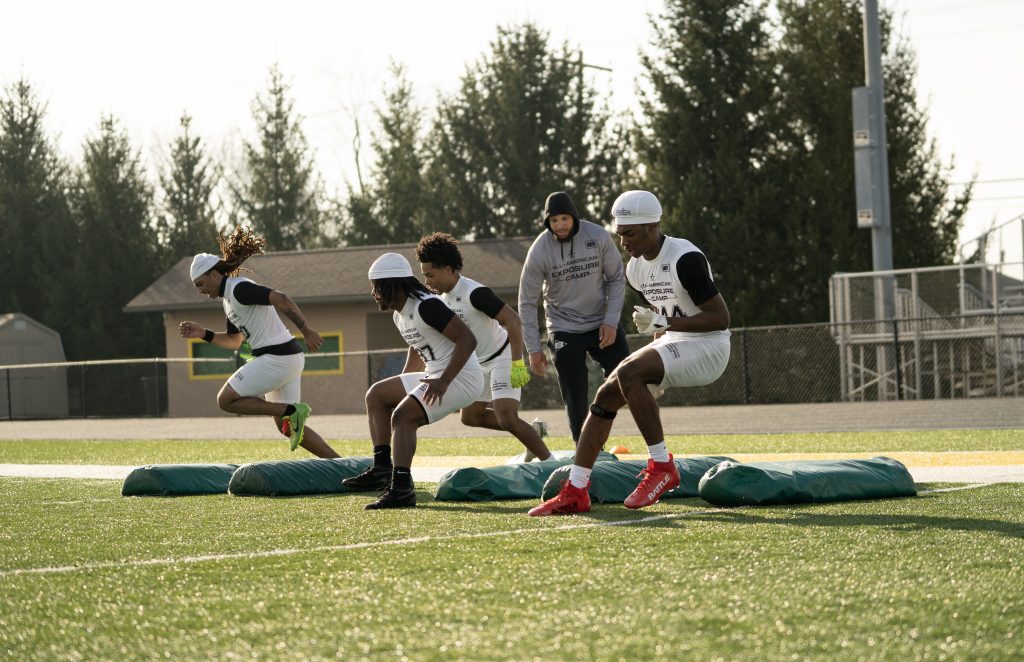
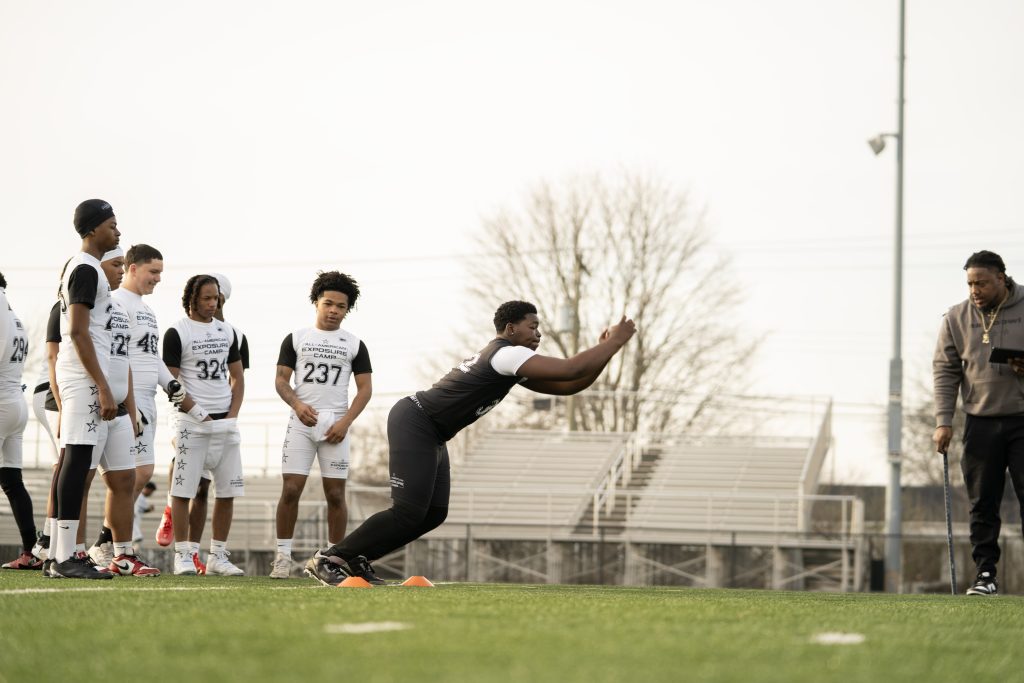
Participants are immediately immersed in a progression of drills targeting speed, agility, coordination, and technique. From ladder work and hurdle drills to explosive movement circuits, every rep is intentional.
“You’re working on everything: explosion, lateral movement, change of direction, transitions,” Coach Lo said. “We put them through what we call transformer drills. It’s about being able to shift, adjust, and react—just like the game demands.”
The goal isn’t just to get better in the moment; it’s to teach athletes how to train.
“It shows them what they need to work on before they ever step into another camp,” he added. “If your fundamentals aren’t right, you’re not going to be rewarded when it’s time to compete.”
From Preparation to Performance
Once the training phase is complete, athletes transition into combine testing, but even that comes with a developmental twist.
Before a single timed rep is recorded, AAE coaches walk athletes through proper technique, whether it’s stance and drive phase mechanics for the 40-yard dash, footwork for the 5-10-5 shuttle, or explosive positioning for the broad jump.
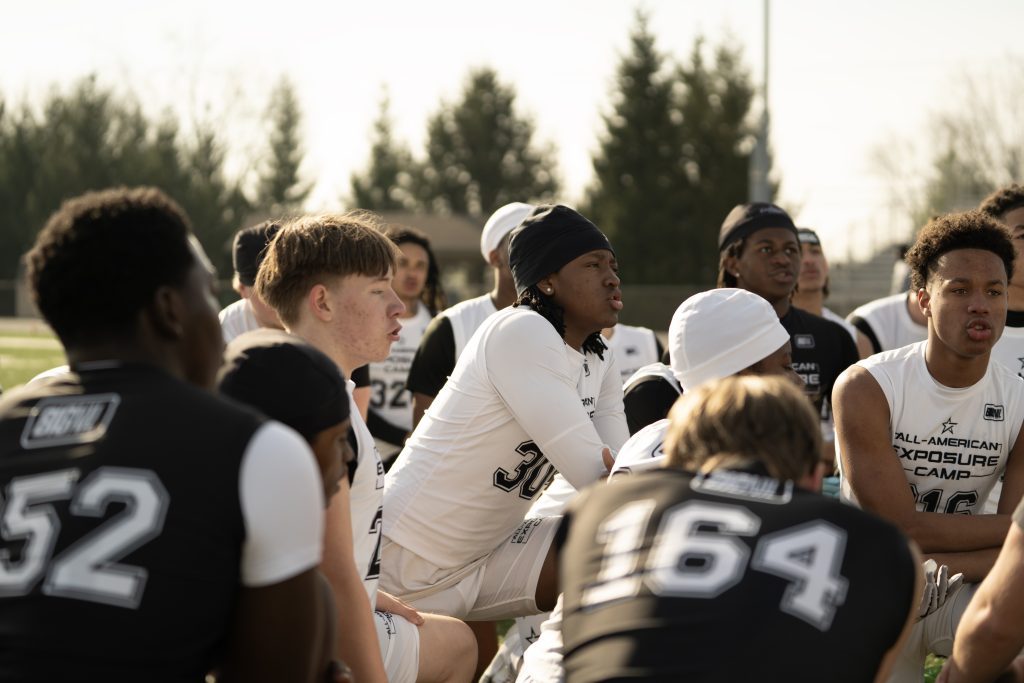
“We don’t just test them, we prepare them,” Coach Lo emphasized. “We train them how to do it the right way first. Then they go compete.”
That attention to detail ensures that performance metrics reflect true ability, not just raw effort.
Where Separation Happens
By the time athletes reach position drills and one-on-one competition, the difference becomes clear.
“The ones who have been training, you see it immediately,” Coach Lo said. “They separate themselves. Their movements are cleaner, their technique is sharper, and they compete at a higher level.”
For others, the experience becomes a reality check, but a valuable one.
“The 1-on-1s, the 7-on-7, the five-on-five—it tells the truth,” he added. “If you’re not ready, it shows you exactly what you need to work on.”
More Than a Camp: A Complete Development System
What sets AAE apart isn’t just the structure; it’s the full-circle approach to athlete growth.
Participants leave with more than just stats or highlights. They leave with a blueprint.
“You’re getting the best of all three worlds: training, competing, and improving your craft,” Coach Lo said. “That’s what AAE brings to the camp circuit.”
In an era where exposure often overshadows development, AAE’s model is a reminder that true performance starts long before the whistle blows and that the athletes who invest in the process are the ones who ultimately stand out.